In this chapter
Green bean selection
Roast quality is largely decided at the green stage. Pros log crop year, moisture (ideal 9–12%), water activity (below 0.6aw resists mold), density, and screen size. SCA green grading counts Category 1 and 2 defects in a 350 g sample—specialty demands zero Category 1 and no more than five Category 2. Uneven screen size roasts unevenly: large beans race ahead while small ones stay underdeveloped. Sample roasts run 100–400 g; all physical measurements must happen before roasting—data cannot be recovered afterward. Dense, high-moisture lots need longer drying and gentler RoR. Taiwan roasters often buy through Nordic or European importers, approving SAS samples before signing full contracts.
Roast chemistry
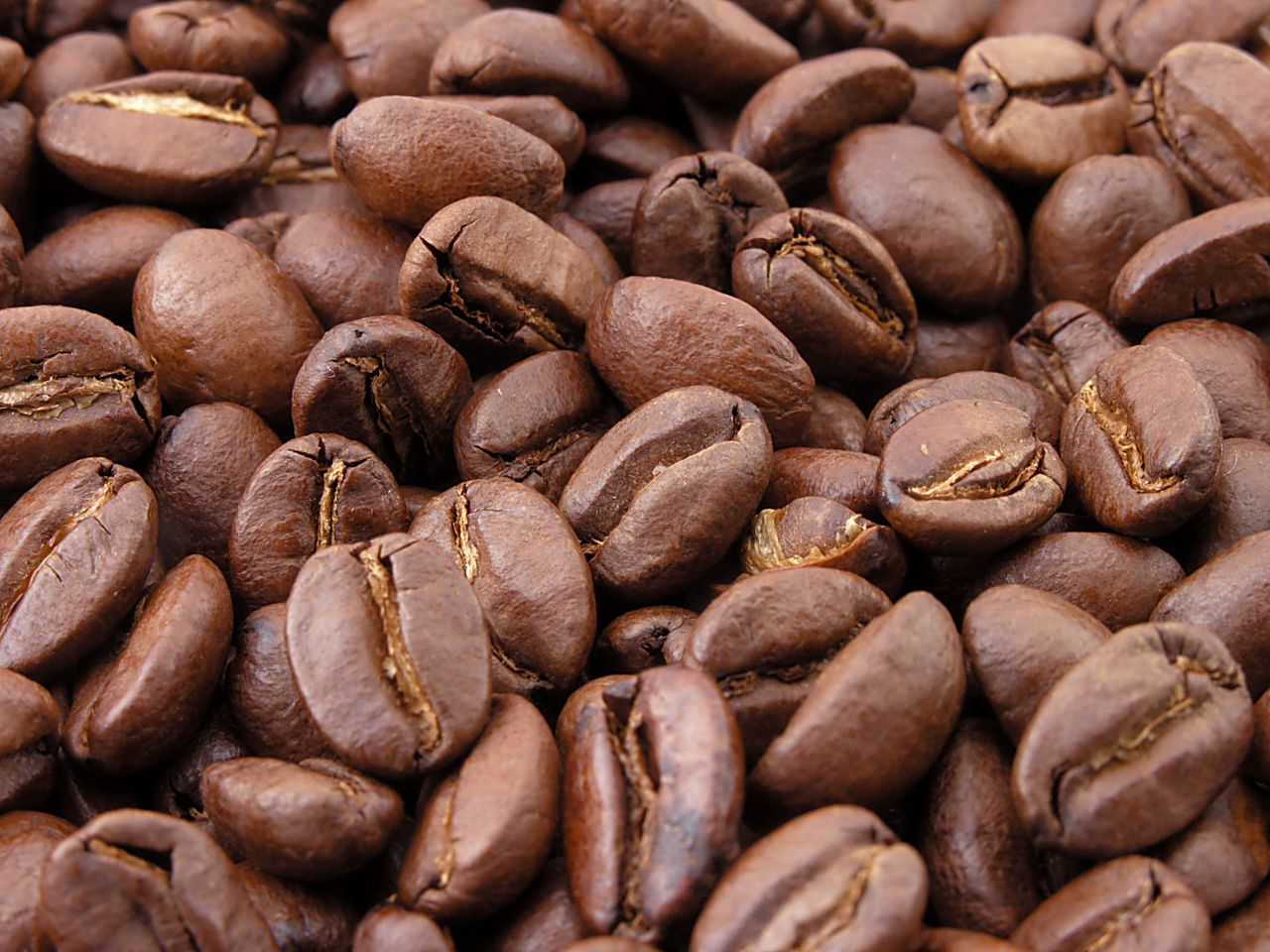
As green coffee heats, three browning pathways intertwine: Maillard (amino acids plus reducing sugars from ~140°C) yields pyrazines, pyrroles, and roast aroma; caramelization (sucrose breakdown from ~160–170°C) adds sweetness and brown color; Strecker degradation forms aldehydic aromatics. Yellowing to first crack is often called the "Maillard phase," yet Maillard chemistry runs throughout the roast. Light roasts preserve organic acids and origin florals; dark roasts build body and bittersweetness through melanoidins at the cost of origin clarity. Weight loss runs 12–20%—mostly water and volatiles. Extending the Maillard interval is a direct chemical lever on sweetness and body—the heart of profile design.
Roast profiles
A full profile opens at charge—typically 180–220°C depending on machine and lot. Drying drives core moisture out; cut it short and grassiness lingers. The Maillard interval sits between yellowing and first crack (~196°C bean temp); RoR should ease so chemistry can finish. First crack is the audible burst of CO₂ and steam at peak caramelization. Development runs from first crack to drop; development time ratio (DTR) often lands 18–25%—too short underdevelops, too long flattens. Second crack (~224°C) drives oils to the surface for darker espresso styles. Modern roasters log bean and exhaust probes; Cropster and Artisan plot RoR for batch repeatability. RoR crashes or prolonged stalls (baking) signal common defects.
Light vs dark roasting
Color tracks on the Agtron reflectance scale: higher numbers mean lighter roasts (specialty light ~70–80), lower numbers darker (~25–35). SCA cupping targets ground Agtron Gourmet 63.0 (±1.0), whole bean ~58, in 8–12 minutes—a roast designed to reveal origin, not retail style. Light roasts are less soluble—filter needs finer grind and hotter water; dark roasts extract easily—espresso-friendly but prone to bitter over-extraction. SCA research shows roast level drives ground color more than origin at a given level. Taiwan shelves carry "city" or "full city" labels with no shared definition—analyzer readings beat roast names.
Drum vs fluid-bed roasting

Drum roasters blend conduction and convection—beans touch a hot metal drum while hot air circulates—building body, sweetness, and complexity; the specialty default. Fluid-bed (hot-air) roasters suspend beans on pure convection, heat fast and evenly, and reduce scorching and tipping—common for sample labs. Cast iron or steel drums store heat and need less gas late in the roast; fluid beds demand precise airflow and agitation. Slower drum speed with higher airflow can deepen complexity; faster drums may lift fruit acidity. Batch size changes thermal mass—a 5 kg sample curve will not copy to a 30 kg production drum. Taiwan micro-roasteries mostly run drums; some sample rooms add fluid beds for quick evaluation.
Blending strategies
Blends mix at green (pre-roast) or roasted (post-roast) stage. The industry favors post-roast blending: each component roasts to its ideal profile, then mixes by ratio—pre-blending beans of different density and size roasts unevenly. Classic espresso blends use 2–4 origins: Brazil for nutty sweetness and body, Colombia or Costa Rica for mid-palate acid, Ethiopia as a highlight. Each component should be at least 15% to register on the palate. Blends also stabilize flavor year-round and manage cost—ratios shift as seasons change. Taiwan specialty tilts toward single origins, yet blends still anchor espresso and milk drinks. Convenience chains serve daily lattes with darker blends; micro-roasters pour light-to-medium singles—two flavor logics side by side.
QC and cupping
Roastery QC cups every batch. SCA protocol: 8.25 g coffee to 150 ml water at 93°C, rest 8–24 hours post-roast, grind 70–75% through a 20-mesh sieve. Roast defects include under-developed (grassy), over-roasted (burnt/ashy), scorched, tipped, and baked (flat from prolonged low RoR). Sample roasts cup within 24 hours with no scorching or tipping. Cropster links curves, color, and cup scores for traceability. Since 2024, SCA's Coffee Value Assessment (CVA) integrates physical, descriptive, and affective assessments—replacing the legacy 100-point scale—so roasters and baristas share structured language on profile changes.
Cooling and resting
After drop, beans must cool to room temperature within 4–5 minutes—residual heat keeps Maillard and caramelization running into over-roast. Agitated cooling trays or forced airflow are standard; SCA cupping mandates air cooling, not water quench. Roasted coffee degasses CO₂—lights stabilize in 3–7 days, medium-dark in 7–14; espresso typically needs at least seven days. Fresh-roast CO₂ forms bubbles that block water and flatten extraction. Dense or anaerobic lots may need weeks to degas. Many roasteries rest 20 minutes to several hours before bagging so initial off-gassing reduces transit bloating.
Packaging and degassing
CO₂ release peaks 48–72 hours post-roast; sealing in a valveless bag swells or bursts the pack. One-way degassing valves let CO₂ out while blocking oxygen—the specialty default; escaping gas also builds positive pressure that limits residual O₂ contact. Peak flavor often sits 7–21 days post-roast by roast level and variety—too early tastes unsettled, too late means lipid oxidation and aroma fade. Nitrogen flushing can drive residual oxygen below 3%. Taiwan's humidity accelerates staling—finish opened bags within 2–3 weeks in opaque airtight jars; never stash unvacuumed coffee in the fridge where it picks up moisture and odors.
Roast defects in detail
Common roast defects have distinct causes and cup signals. Scorching is surface contact with overheated metal—char spots and smoky bitterness; tipping burns bean tips from aggressive airflow or weak agitation. Underdevelopment shortens post-first-crack time, tasting grassy, cereal, and sharp; "baked" comes from prolonged low rate of rise—collapsed sweetness, cardboard flatness. Over-roasting adds ash and charcoal bitterness that erase origin character.
Taiwan micro-roasters often chase light-to-medium clarity, which also exposes underdevelopment—green or sharp cups are not always origin acidity; they can be curve faults. Ask about development time ratio (DTR) and drop temperature; cupping the same origin across two roasters is the fastest way to spot defects.
Taiwan roasting scene
Taiwan's roasting scene spans convenience-chain volume and specialty micro-lots: commercial plants supply darker blends for milk drinks; alley micro-roasteries in Taipei, Taichung, and Kaohsiung serve origin-forward light singles for pour-over. Many shops import micro-lots on 5–15 kg drums, sample-roast, and release to their own cafés. Shoppers should read roast date, origin, process, and variety. The same green lot cups radically different under two roasters' curves. Workshops and public cuppings close the gap between origin and cup. From industrial plants to alley micro-roasteries, two flavor philosophies coexist so drinkers can choose convenience-store coffee or specialty filter by brew method and taste.
References
- Roasted coffee beans (Wikimedia Commons) — Wikimedia Commons
- Coffee roaster (Wikimedia Commons) — Wikimedia Commons
- SCA — Coffee Standards — Specialty Coffee Association
- SCA — CVA Sample Preparation and Tasting Mechanics (SCA-102) — Specialty Coffee Association
- SCA — What Color is Your Coffee? — Specialty Coffee Association
- SCA — Grounding Green Grading in Sensory Science — Specialty Coffee Association
- Barista Hustle — Phases of the Roasting Profile — Barista Hustle
- Perfect Daily Grind — Drum vs Fluid Bed: How Roasters Affect Flavour — Perfect Daily Grind
- Perfect Daily Grind — Sample Roasting: What You Should Be Looking For — Perfect Daily Grind
- Perfect Daily Grind — Roasting High-Scoring Coffees — Perfect Daily Grind
- Perfect Daily Grind — A Roaster's Guide to Creating Coffee Blends — Perfect Daily Grind
- Perfect Daily Grind — How to Roast For Cupping Purposes — Perfect Daily Grind
- Perfect Daily Grind — Coffee Degassing Explained — Perfect Daily Grind
- Cropster — Managing Roast Profiles — Cropster